Public Speaking Skills
Presentation Skills
Personality Development
Digital Literacy
Communicative English
Artificial Intelligence (AI) Tools
Financial Literacy
Poster & Logo Creation
Prompt Engineering
Group Presentation Skills
Electronics & Robotics
Critical Thinking
Problem Solving
Boosting Confidence
21ST CENTURY SKILLS ENHANCEMENT PROGRAM
About STREAM Skills Academy
STREAM SKILLS ACADEMY is a pioneer in STREAM (Science, Technology, Robotics, Engineering, Arts and Mathematics) educational domain and is dedicated to enhance the Communication & Technological Knowledge, Creativity, Innovation and 21st Century Skills among the students of class 6 and above, incorporating with the academic curricula. We have been in the IT training industry with proven track record since 2015, combining soft skills with hard skills to creates a successful life for students.
The aim of our most demandable activity oriented one year duration course, "21st Century Skills Enhancement Program" is to fill a critical gap between the theoretical knowledge & real-world scenarios, by combining the communicative and technological skills and create confidence in students to speak and handle the real-time situations efficiently.
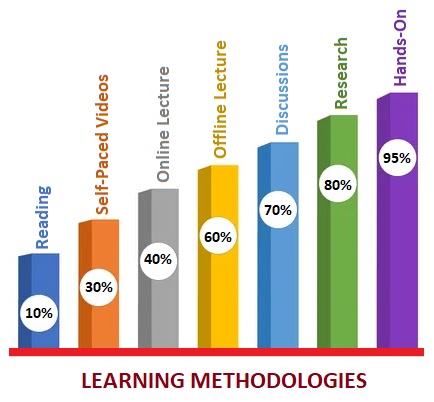
I hear and I forget. I see and I remember. I do and I understand...
"
LIMITATIONS OF SCHOOL CURRICULA
Our school curricula, irrespective of any educational boards has its own limitations with;
Over-reliance on rote memorization and examinations, which prioritize the acquisition of mere knowledge items to pass an exam, rather than fostering deeper learning, conceptual understanding, critical thinking, creativity, or problem-solving skills.
Lack of relevance to real life, that the content is often bookish and theoretical, failing to connect knowledge to the daily lives, aspirations of students, or the challenges of the modern world. This leaves students unprepared for employment and practical life skills.
One-size-fits-all approach defines that the curriculum is often rigid and uniform, ignoring individual differences, interests, abilities, and learning styles. It's often designed from the point of view of adults and provides limited scope for "learning by doing" or experiential learning.
Curricula can be overloaded with multiple subjects & too much content, which forces an overambitious pace. This leaves insufficient time for foundational skills and deeper engagement with any one subject.
Lack of interdisciplinary connection makes it difficult for students to see the interplay between different fields, thus limiting their holistic understanding.
Crucial life skills such as communication, teamwork, & financial knowledge are often neglected or not given due importance.
ADVANTAGES OF "21ST CENTURY SKILLS ENHANCEMENT PROGRAM"
Through our one-year master program, we aim to address those limitations by promoting a shift towards activity-based learning. We cover all the dimensions of the requirements; Communication Skills, Public Speaking, Presentation Skills, Personality Development, Digital Literacy, Financial Literacy, Artificial Intelligence, Electronics, Robotics, Creativity, Problem-Solving Skills, Social & Digital Etiquette, 3D Designing & Printing, Designing Logos & Posters, YouTube Admin, etc. Our specialized ‘STREAM’ curriculum is packed with all the modules required to cover all the dimensions of communications and technologies using hands-on methodology.
TRAINING MODULES
Our 1-year activity-based "21st Century Skills Enhancement Program" comprises of 5 essential modules which help students to develop essential personal & social skills required for success in everyday life...


Through this module we provide, 'Ice-Breaking & Stage Fear Removal Techniques', 'Effective Listening Techniques', 'Active Reading Techniques', 'Active Writing Techniques', and 'Various Speaking Drills' to increase the confidence & communication skills.
Building Confidence and Developing Core Communication Skills are essential for personal growth, academic success, and professional achievement in today’s highly connected world. Confidence is the belief in one’s own abilities, decisions, and potential, while communication skills involve the ability to express ideas clearly, listen effectively, and interact positively with others. Together, these qualities shape how individuals present themselves, build relationships, and handle challenges in everyday life. A confident person is more likely to take initiative, speak up in discussions, and pursue opportunities without excessive fear of failure or judgment.
Alongside confidence, communication skills are equally important because they influence how people connect with others in both personal and professional settings. Good communication includes verbal communication, nonverbal communication, active listening, effective writing, empathy, clarity, and respect. Speaking clearly and confidently allows people to express their opinions, share ideas, and participate effectively in conversations and teamwork. Active listening is an essential communication skill because successful communication is not only about speaking but also about understanding others carefully and responding thoughtfully. People who listen attentively build trust, avoid misunderstandings, and create stronger relationships. In schools, colleges and workplaces, strong communication skills improve collaboration, leadership, problem-solving, and conflict resolution. Students with good communication skills participate more actively in class discussions and presentations. However, confidence does not appear overnight; it is developed gradually through our systematic trainings.
MODULE 1
BUILDING CONFIDENCE & CORE COMMUNICATION SKILLS


Through this module we provide, 'Body Language Training', 'Voice Modulation Techniques', 'Impromptu Speaking Techniques', 'Speech Delivery Practices', 'Presentation Skills', 'Group Presentations', and 'Handling Debates'.
Public Speaking and Presentation Skills developments offers many important benefits in both personal and professional life. These skills help individuals communicate their ideas clearly, confidently, and effectively in front of an audience. One of the major benefits is increased self-confidence, as regular speaking practice reduces fear, nervousness, and stage anxiety. People with strong presentation skills are better able to express their thoughts, persuade others, and create a positive impression during meetings, seminars, interviews, and public events. Public speaking also improves communication abilities such as voice modulation, body language, eye contact, and active audience engagement, all of which are essential for successful interaction. In academic settings, students with good presentation skills perform better in classroom discussions, debates, and project presentations. In professional environments, these skills support leadership, teamwork, career advancement, and effective decision-making. Public speaking also encourages critical thinking and organization because speakers must structure their ideas logically and present information clearly. Furthermore, strong presentation skills help individuals inspire, motivate, and educate others more effectively. In today’s competitive world, the ability to speak confidently in public is considered a valuable life skill that enhances personal growth, social influence, and professional success across various fields and careers.
MODULE 2
PUBLIC SPEAKING & PRESENTATION SKILLS
MODULE 3
PERSONALITY DEVELOPMENT


Through this module we cover, 'Values, Beliefs, & Attitudes', 'Managing Emotions', 'Empathy & Social Awareness', 'Personal Grooming & Etiquette', 'Social & Digital Etiquette', 'Leadership & Team Handling', 'Decision Making & Problem Solving Techniques', 'Time Management & Avoiding Procrastination' and 'Financial Literacy'.
Personality Development training helps students improve their overall character, behavior, communication, and confidence. It plays an important role in shaping young minds and preparing them for future success in both personal and professional life. Through personality development programs, students learn essential life skills such as effective communication, leadership, teamwork, time management, and problem-solving. This training encourages students to build self-confidence and develop a positive attitude toward life. It also helps them understand the importance of discipline, responsibility, and respect for others. Activities like public speaking, group discussions, role plays, and interactive sessions help students overcome fear and improve their social skills.
Personality development is not only about external appearance but also about improving inner qualities such as honesty, kindness, patience, & emotional intelligence. Students become more motivated, focused, & capable of handling challenges with confidence. In today’s competitive world, academic knowledge alone is not enough. Strong personality traits helps them stand out & achieve their goals successfully. Personality development training creates well-rounded individuals who can communicate effectively, make good decisions, and contribute positively to society. It is a valuable step toward building a brighter & more successful future for every student.
Financial Literacy training helps school students understand money management, saving, budgeting, banking, and responsible spending. It teaches the importance of financial planning, smart decision-making, and developing good money habits from an early age. This training builds confidence and prepares students to manage their finances wisely in the future.
MODULE 4
DIGITAL LITERACY & AI TOOLS


Through this module we cover, 'Information Technology', 'MS Office PowerPoint Presentations', 'AI Chat-bots & Prompt Engineering', 'Presentations Using AI Tools', 'Designing Logos & Posters', 'YouTube Channel Creation & Administration', and '3D Designing & Printing Technology'.
Digital literacy and AI tools are becoming essential skills for students in the modern world. Digital literacy means the ability to use technology, computers, mobile devices, and the internet effectively and responsibly. It helps students access information, communicate, create content, and solve problems using digital platforms. In today’s technology-driven society, being digitally literate is as important as reading and writing. Artificial Intelligence (AI) tools are transforming education by making learning more interactive, personalized, and efficient. Tools such as AI Chat-bots, language translators, virtual assistants, and smart learning platforms help students understand concepts easily and improve their productivity. AI can support students in research, writing, coding, designing, and even language learning. Digital literacy also teaches students how to stay safe online, protect personal information, and identify fake or misleading content. It encourages responsible use of technology and promotes critical thinking skills.
By learning digital literacy and AI tools, students become better prepared for future careers and global opportunities. These skills improve creativity, communication, collaboration, and innovation. Schools that introduce digital learning and AI education help students become confident, smart, and future-ready individuals who can adapt successfully to the fast-changing digital world.
MODULE 5
ELECTRONICS & ROBOTICS


Through this module we cover, 'Basics of Electronics', 'Various Electronics Circuits', 'Arduino Programming', and 'Robotics Projects'.
Electronics and Robotics training helps students develop technical knowledge, creativity, and problem-solving skills essential for the modern world. Through hands-on activities, students learn the basics of electronic circuits, sensors, motors, micro-controllers, and programming. Robotics training combines Science, Technology, Robotics, Engineering, Arts and Mathematics (STREAM) concepts to create intelligent machines that can perform specific tasks automatically. This training encourages innovation and teamwork by allowing students to design, build, and test their own robotic models and electronic projects. Students gain practical experience in assembling circuits, coding robotic movements, troubleshooting errors, and understanding automation systems. Such activities improve logical thinking, analytical abilities, and confidence in handling technology.
Electronics and robotics also prepare students for future careers in engineering, artificial intelligence, automation, and information technology. In today’s digital era, industries increasingly depend on smart machines and automated systems, making these skills highly valuable. Robotics competitions, project exhibitions, and interactive learning sessions make the training exciting and engaging for learners. Overall, electronics and robotics training empowers students with technical expertise and creativity, helping them become future-ready innovators and responsible technology users in an increasingly advanced and automated society.


Gallery
Explore our innovative learning experiences


Join Us
Subscribe for exclusive offers....